
Portfolio
Driving Maritime Innovation, One Ship at a Time
At Alpha Marine Consulting, we transform maritime challenges into actionable solutions. From pioneering sustainable shipping technologies to enhancing human-centric design and operational safety, our projects showcase a commitment to environmental responsibility, efficiency, and cutting-edge innovation. Each initiative integrates rigorous research, practical expertise, and collaborative engagement with industry and regulators to deliver measurable impact across global shipping. Explore our flagship projects below to see how we are shaping the future of maritime transport.
SEASTARS
Sustainable Emission Abatement Strategies & Technologies
for Advanced Revolution Ships
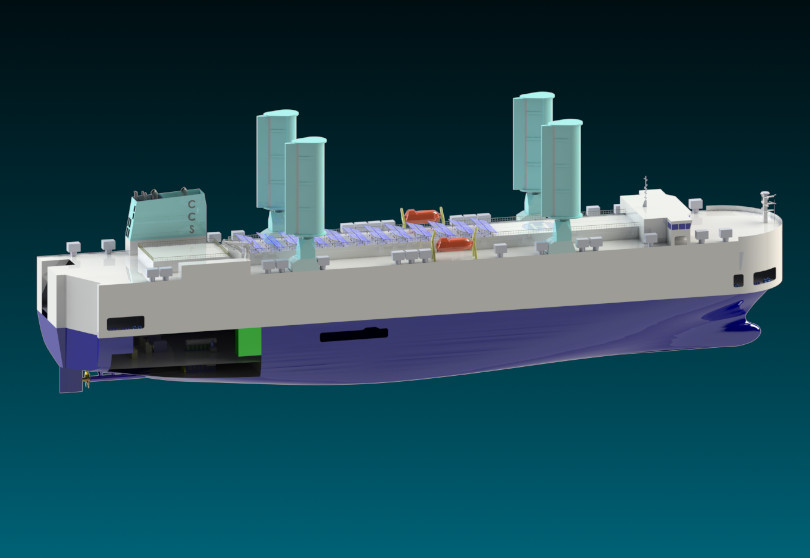
SEASTARS aims for 30% GHG reduction by 2030 and 20% energy efficiency improvement, focusing on eight modular vessel designs for inland, short-sea, and deep-sea shipping. By combining advanced propulsion, energy storage, alternative fuels, and hydrodynamic optimizations, ships can progressively decarbonize with lower investment risk.
Alpha Marine Consulting leads the technical work on all designs and is fully responsible for the retrofit vessels, delivering practical, market-ready solutions.

FAROS
Human Factors in Risk-Based Design Methodology
The FAROS project advanced risk-based ship design by quantifying and integrating human error, accounting for approximately 90% of maritime accidents, into the design process. Through a systematic, risk-informed approach at the concept stage, it linked human reliability to design parameters at both meso (layout, equipment, accessibility) and macro levels (hull form, motions, vibration, noise).
Alpha Marine Consulting provided operational data, crew engagement, and expert insight to support the development of practical risk and quantitative models.
REFRESH
Green Retrofitting of Existing Ships
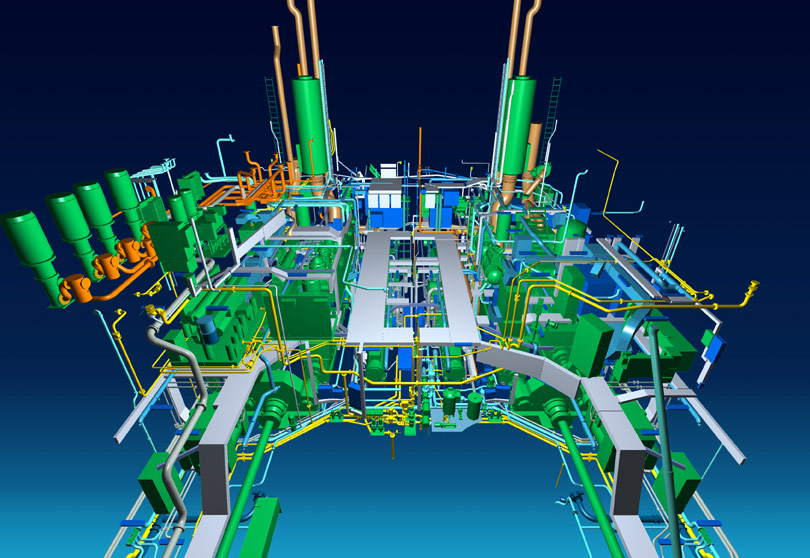
While newly built ships are designed to meet environmental regulations from the outset, existing vessels require targeted solutions to improve energy efficiency. REFRESH focuses on retrofitting measures that optimize energy use and reduce emissions onboard.
At the heart of REFRESH is dynamic energy modeling – simulating energy production, consumption, and losses over time. This approach is integrated into a decision support tool that allows both onboard and onshore personnel to monitor performance and adopt best practices based on the ship’s operational profile.
FLAGSHIP
European Framework for Safe, Efficient and Environmentally-friendly Ship Operations
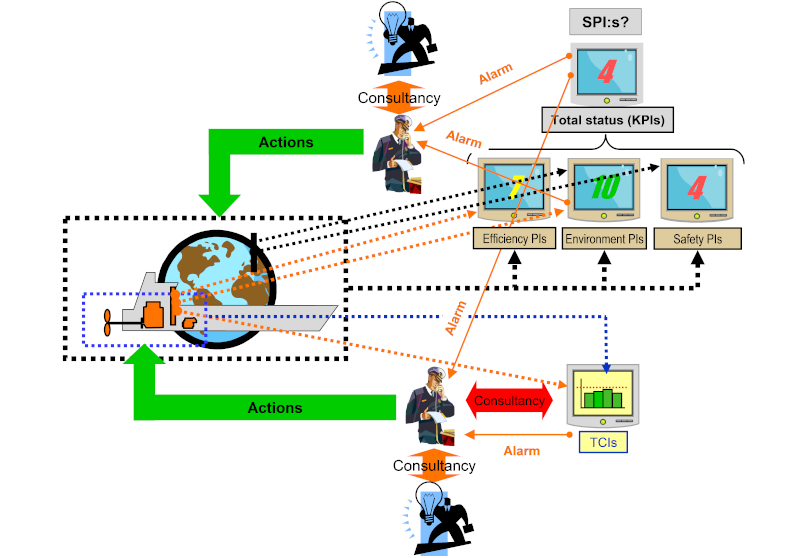
FLAGSHIP enhanced maritime safety, efficiency, and environmental performance by developing innovative on-board and shore-based management tools, including energy monitoring, performance KPIs, automated compliance, emergency management, and decision support systems. It led to commercial solutions such as Top Monitoring, Hull Manager, integrated bridge systems, and real-time container scheduling, while shaping international standards and maritime policy.
Alpha Marine Consulting contributed expertise in regulatory compliance, project coordination, and implementation to ensure industry-aligned solutions.
TARGETS
Targeted Advanced Research for Global Efficiency of Transportation Shipping
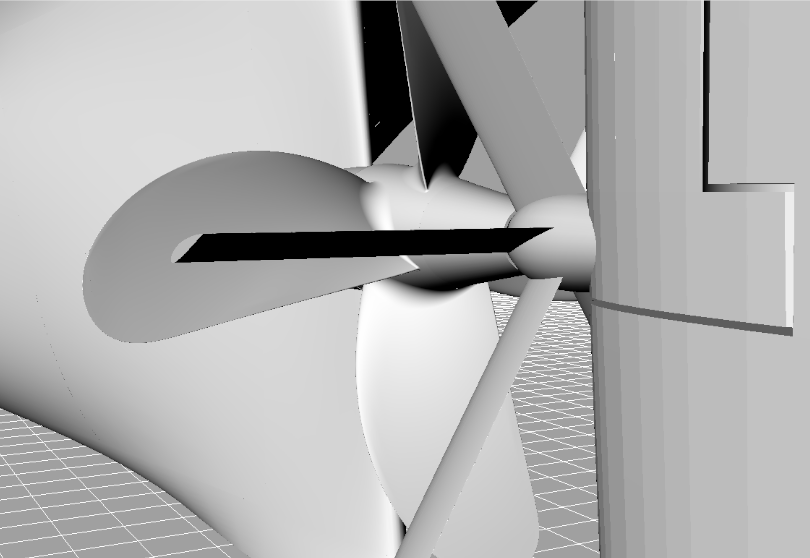
The TARGETS project analyzed energy consumption on cargo ships, focusing on resistance and propulsion. By combining expert research with operational insights, it developed tools, design solutions, and guidelines to enhance efficiency and reduce greenhouse gas emissions.
Alpha Marine Consulting contributed by providing operational scenarios and onboard practices. Conclusions were drawn through onboard verification, energy audits, and efficiency analysis, identifying Energy Saving Potentials (ESPs) related to vessel operations. These findings were benchmarked against industry standards and best practices to deliver actionable recommendations.
SAFEGUARDS
Ship Evacuation Data and Scenarios
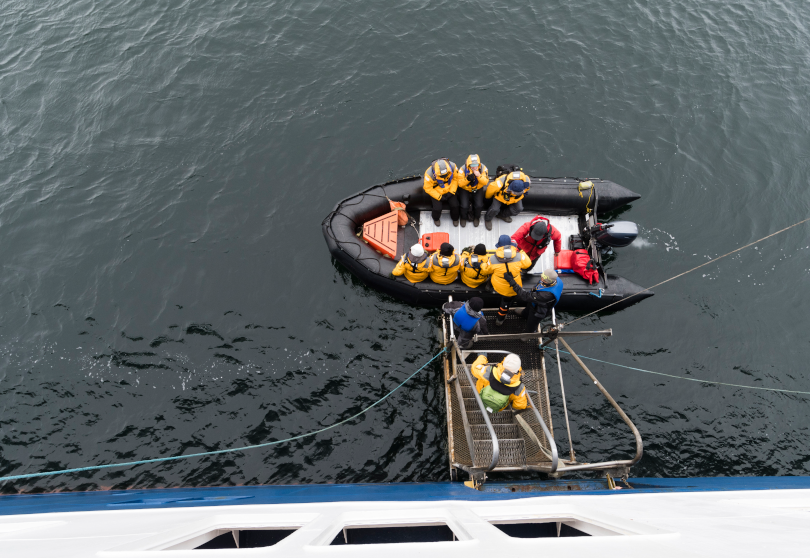
The SAFEGUARD project collected full-scale human performance data from five passenger ship trials to calibrate and validate ship evacuation models. The study generated over 5,000 data points, developed a validation protocol with acceptance criteria, and proposed enhanced certification scenarios considering fire, trim, and heel effects. Results were submitted to the IMO to inform future regulations, improving the accuracy and reliability of evacuation simulations.